
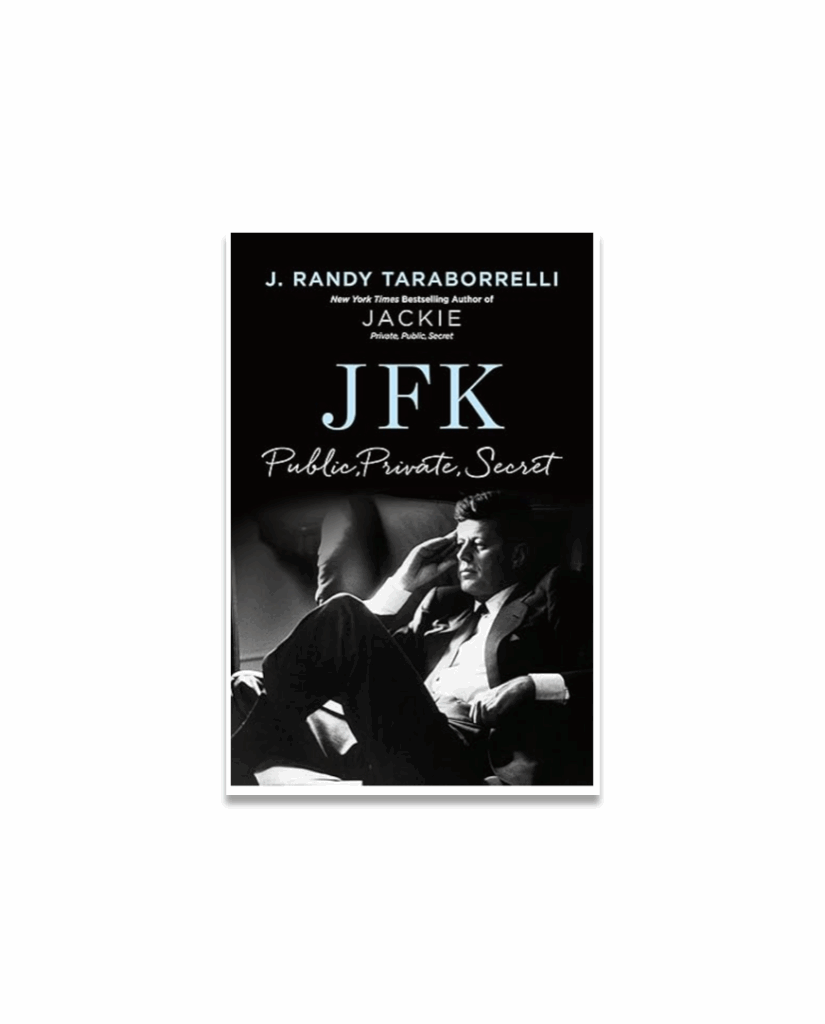
Author: J. Randy Taraborrelli
Publisher: St. Martin’s Press (2025)
Print Length: 568 pages
+++++++++++++++++++++++++++++++++++++++++++++++++++++++++++++
Review and Critique of JFK: Private, Public, Secret
If you think you know everything about John F. Kennedy, think again. J. Randy Taraborrelli’s JFK: Public, Private, Secret is a deep dive into the enigmatic life of America’s 35th president, peeling back the layers of myth and legend to reveal a man who was as complex in private as he was charismatic in public. Let’s talk about what makes this book stand out—and where it stumbles.
A Fresh Take on a Familiar Figure
First off, Taraborrelli is no stranger to celebrity biographies, and his knack for storytelling shines through. The book doesn’t just rehash the well-trodden tales of Camelot or the Cuban Missile Crisis. Instead, it zooms in on the lesser-known, more intimate aspects of JFK’s life. One of the most headline-grabbing revelations is the story of Joan Lundberg, a flight attendant who had a “wild” romance with Kennedy, including a pregnancy and the emotional fallout that followed. This isn’t just tabloid fodder; Taraborrelli uses these personal stories to paint a fuller picture of JFK’s character—his vulnerabilities, his recklessness, and the emotional toll his choices took on those around him.
The Power of Unpublished Voices
What really sets this book apart is its use of previously unpublished manuscripts and interviews. For example, Joan Lundberg’s own words, drawn from her unpublished memoir, add a raw, first-person perspective that’s often missing from presidential biographies. These voices bring a sense of immediacy and authenticity, making the book feel less like a distant historical account and more like a living, breathing narrative.
Balancing the Public and the Private
Taraborrelli does a commendable job of balancing JFK’s public persona with his private life. The book doesn’t shy away from the president’s flaws—his infidelities, his health struggles, and his sometimes callous treatment of those closest to him. But it also doesn’t lose sight of his achievements and the pressures of his office. The result is a nuanced portrait that neither lionizes nor demonizes Kennedy. Instead, it invites readers to grapple with the contradictions that defined him.
A Conversational, Accessible Style
One of the book’s greatest strengths is its conversational tone. Taraborrelli writes with the ease of someone telling you a story over coffee, making even the most complex political machinations feel accessible. He’s not afraid to speculate or offer his own interpretations, but he’s careful to ground his claims in solid research and firsthand accounts. This approach makes the book a page-turner, even for readers who might not consider themselves history buffs.
Critique: Where the Book Falters
Of course, no biography is perfect. At times, the focus on JFK’s romantic escapades can feel a bit sensationalized. While these stories are undeniably fascinating—and, in many cases, genuinely illuminating—they sometimes threaten to overshadow the broader historical context. Readers looking for a deep dive into policy or geopolitics might find themselves wishing for more substance on those fronts. Additionally, the sheer volume of personal anecdotes can make the narrative feel a bit scattered. The book jumps between different periods and perspectives, which, while engaging, can occasionally leave the reader feeling unmoored. A tighter structure might have helped to keep the story more focused and cohesive.
The Jackie Factor
Another intriguing aspect is the portrayal of Jackie Kennedy. Taraborrelli doesn’t just treat her as a background figure; he delves into her reactions, her resilience, and her own secrets. The book explores what Jackie knew about JFK’s affairs and how she coped with the public and private pressures of being First Lady. This adds a layer of emotional depth and complexity, reminding us that the Kennedy story is as much about the people around JFK as it is about the man himself.
Final Thoughts
In the end, JFK: Public, Private, Secret is a compelling, humanizing portrait of a president who has often been reduced to a set of symbols—Camelot, tragedy, charisma. Taraborrelli’s willingness to dig into the messy, uncomfortable details of JFK’s life makes for a richer, more honest biography. It’s not just about the scandals; it’s about understanding the forces that shaped a man who, for better or worse, left an indelible mark on American history. If you’re looking for a book that brings JFK down from the pedestal and into the realm of flawed, fascinating humanity, this is it. Just be prepared for a few surprises—and maybe a little heartbreak along the way.
Rating: 4.5/5