
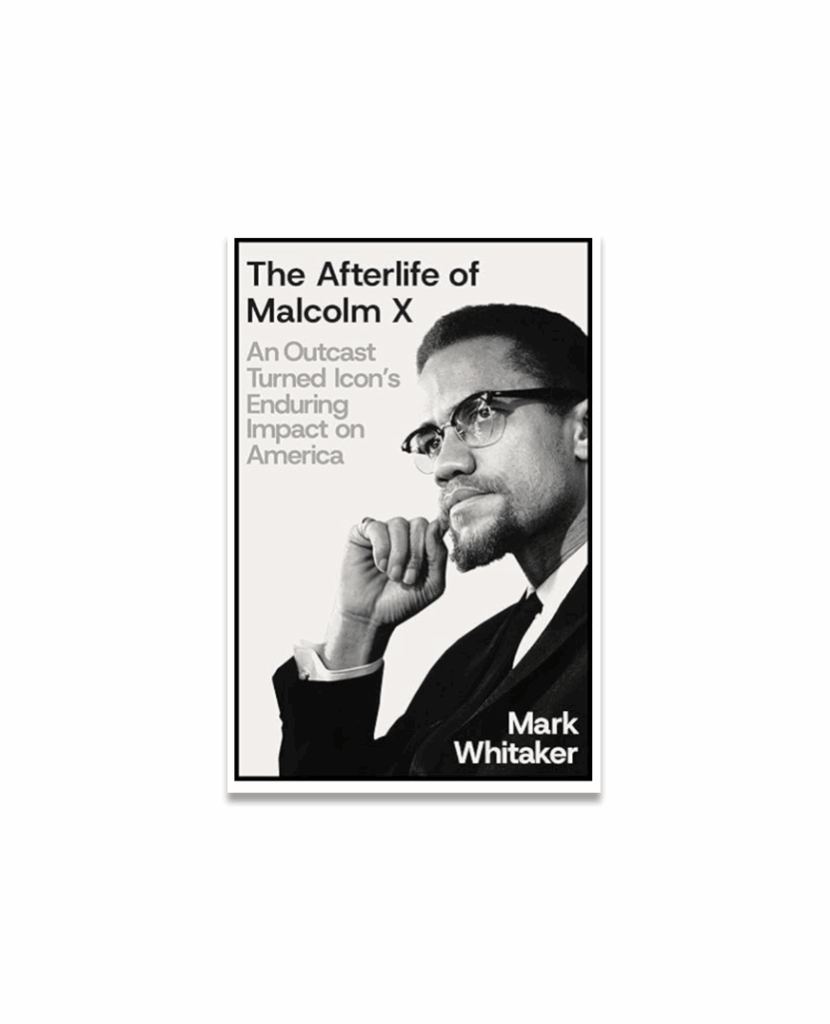
Author: Mark Whitaker
Publisher: Simon and Schuster (2025)
Print Length: 448 pages
========================================
Introduction
The Afterlife of Malcolm X: An Outcast Turned Icon’s Enduring Impact on America is an ambitious exploration of one of the twentieth century’s most enigmatic and influential figures. Written with palpable reverence and critical insight, the book aims not only to trace Malcolm X’s complex legacy but also to interrogate the ever-shifting meanings of his life, death, and the cultural memory that has grown around him. Let’s dive into what makes this book compelling, where it excels, and where it might leave readers wanting more.
Engaging Storytelling and Fresh Perspectives
From the outset, the author’s conversational style invites readers into a nuanced conversation about Malcolm X’s legacy. Rather than treading the well-worn path of biography—childhood, activism, assassination—the book focuses on the afterlife of Malcolm X: how his ideas and image have been interpreted, appropriated, and reimagined in American society since his death in 1965. One of the book’s biggest strengths is its accessibility. You don’t need to be a history buff or a scholar of Black radical thought to follow along. The prose is energetic and clear, peppered with anecdotes and cultural references that make Malcolm’s story feel relevant to the present. The Whitaker draws connections between Malcolm X and modern movements like Black Lives Matter, showing how his fiery rhetoric and unwavering commitment to justice continue to inspire activists today. The book also takes pains to show Malcolm X as a dynamic figure—someone whose beliefs evolved dramatically over time. By charting this evolution, Whitaker challenges the static, poster-ready version of Malcolm that often appears in pop culture. The result is a more three-dimensional portrait, one that acknowledges his contradictions and growth.
Critical Analysis of Legacy and Iconography
Perhaps the most fascinating aspect of the book is its critique of how Malcolm X has been transformed from an outcast into an icon—sometimes sanitized, sometimes demonized, depending on who’s telling the story. Whitaker is particularly sharp in examining how mainstream institutions have attempted to absorb Malcolm’s legacy, often smoothing over his most radical critiques of America in favor of a more palatable image. For instance, the book dissects public commemorations—from postage stamps to documentaries and even hip-hop lyrics—showing how Malcolm’s message is sometimes diluted to fit commercial or political agendas. There’s a compelling discussion about Spike Lee’s 1992 film “Malcolm X” and how it helped to popularize Malcolm for a new generation, but also how it risked turning him into a static symbol rather than a living, breathing force for change. The book also doesn’t shy away from controversy. It explores the tensions between Malcolm X’s legacy and that of Martin Luther King Jr., pushing readers to think about why American society is often more comfortable with King’s message of nonviolence than Malcolm’s call for self-defense and Black empowerment. In doing so, Whitaker encourages a more honest reckoning with America’s history of racial injustice.
Where the Book Excels
1. Depth of Research:
The book is meticulously researched, drawing on interviews, archival material, and a wide range of sources. Whitaker is clearly well-versed in both Malcolm X’s writings and the broader context of American social movements.
2. Fresh Relevance:
By connecting Malcolm X’s legacy to contemporary issues, the book feels urgent and timely. It’s not just a history lesson—it’s a call to consider what kind of society we want to build.
3. Nuanced Argumentation:
Whitaker resists easy answers. Instead, readers are invited to wrestle with the uncomfortable realities of Malcolm’s life, from his early years to his break with the Nation of Islam and his final months as a global figure.
Where the Book Falls Short
1. Occasional Overreach:
While Whitaker’s enthusiasm is infectious, there are moments where the book tries to cover too much ground. The analysis of Malcolm’s image in everything from fashion to rap music sometimes feels rushed, leaving certain arguments less developed than they could be.
2. Limited Critical Distance:
Whitaker’s admiration for Malcolm X sometimes borders on hagiography. While the book does acknowledge his flaws, it could benefit from a bit more critical distance, especially when discussing the more controversial aspects of his ideology
3. Less on Personal Life:
Readers looking for an intimate portrait of Malcolm as a person—his relationships, private struggles, or family life—might find this book lacking. The focus is squarely on public legacy, not personal narrative.
Final Thoughts
“The Afterlife of Malcolm X” is a thought-provoking, passionate, and timely examination of one of America’s most enduring—and contested—icons. It challenges readers to move beyond simplistic narratives and to grapple with the complexities of Malcolm X’s evolving legacy. The book is not without its flaws, but its strengths far outweigh its weaknesses. For anyone interested in American history, social justice, or the power of cultural memory, this book is a must-read. It will leave you questioning not just what Malcolm X stood for, but what his life and afterlife say about America itself.
Rating: 4.5/5